

 Skip to content
When it comes to skincare, there is no shortage of advice. One person swears by a viral serum, another recommends a 10 step routine, and social media seems to introduce a new “must have” ingredient every week.
With so much information available, it’s understandable that many people ask the same question:
The answer is that they can, but perhaps not for the reasons many people think.
A facial is not a miracle treatment, and it cannot stop the natural aging process. However, when performed appropriately and combined with a personalized home skincare routine, professional facials may help support the overall health and appearance of your skin.
At R&R Skin and Aesthetics, we believe education is just as important as treatment. Understanding how your skin functions makes it easier to choose treatments that are appropriate for your goals rather than chasing every new trend.
Your skin is your body’s largest organ and serves as its first line of defense against the outside world.
The outermost layer of your skin, called the epidermis, is continuously renewing itself. New skin cells are produced in the deeper layers and gradually move toward the surface, where older cells are naturally shed.
In younger adults, this renewal cycle typically takes about 28 days. As we age, however, the process slows. Environmental factors such as ultraviolet (UV) exposure, pollution, smoking, stress, and hormonal changes can also influence how efficiently your skin renews itself.
When this natural cycle slows, dead skin cells may remain on the surface longer, contributing to skin that appears dull, rough, or uneven.
This is one reason why healthy looking skin often requires consistent care rather than waiting until concerns become more noticeable.
One of the most important concepts in modern dermatology is the skin barrier.
Although it may sound technical, the idea is actually quite simple.
Imagine a brick wall.
The skin cells are the bricks, while naturally occurring lipids, including ceramides, cholesterol, and fatty acids, act as the mortar holding everything together.
When that wall is intact, it helps keep moisture inside the skin while protecting against environmental irritants, allergens, bacteria, and pollutants.
When the barrier becomes disrupted, your skin may begin to feel:
Even people with oily or acne prone skin can have a compromised skin barrier.
In fact, one of the most common misconceptions is that oily skin should constantly be dried out. While removing excess oil may seem helpful, over cleansing or over exfoliating can actually weaken the skin barrier, sometimes leading to increased irritation and making the skin work harder to compensate.
Supporting the skin barrier has become a major focus in dermatology because healthy skin begins with a healthy foundation.
One of the most common conversations we have with patients begins with a shopping bag full of skincare products.
Many people are using multiple exfoliating acids, retinoids, vitamin C serums, brightening creams, toners, masks, and scrubs, all at the same time.
Their goal is understandable. They want healthier skin.
Unfortunately, using more products does not always produce better results.
Sometimes it produces the opposite.
Overusing active ingredients may contribute to irritation, redness, dryness, and a weakened skin barrier. When that happens, patients often purchase even more products to try to solve the problem.
Instead of adding another serum, the better solution may be simplifying the routine and focusing on products that support the skin rather than overwhelm it.
One of the most valuable parts of a professional facial is not simply the treatment itself. It is having someone evaluate your skin and determine what it actually needs.
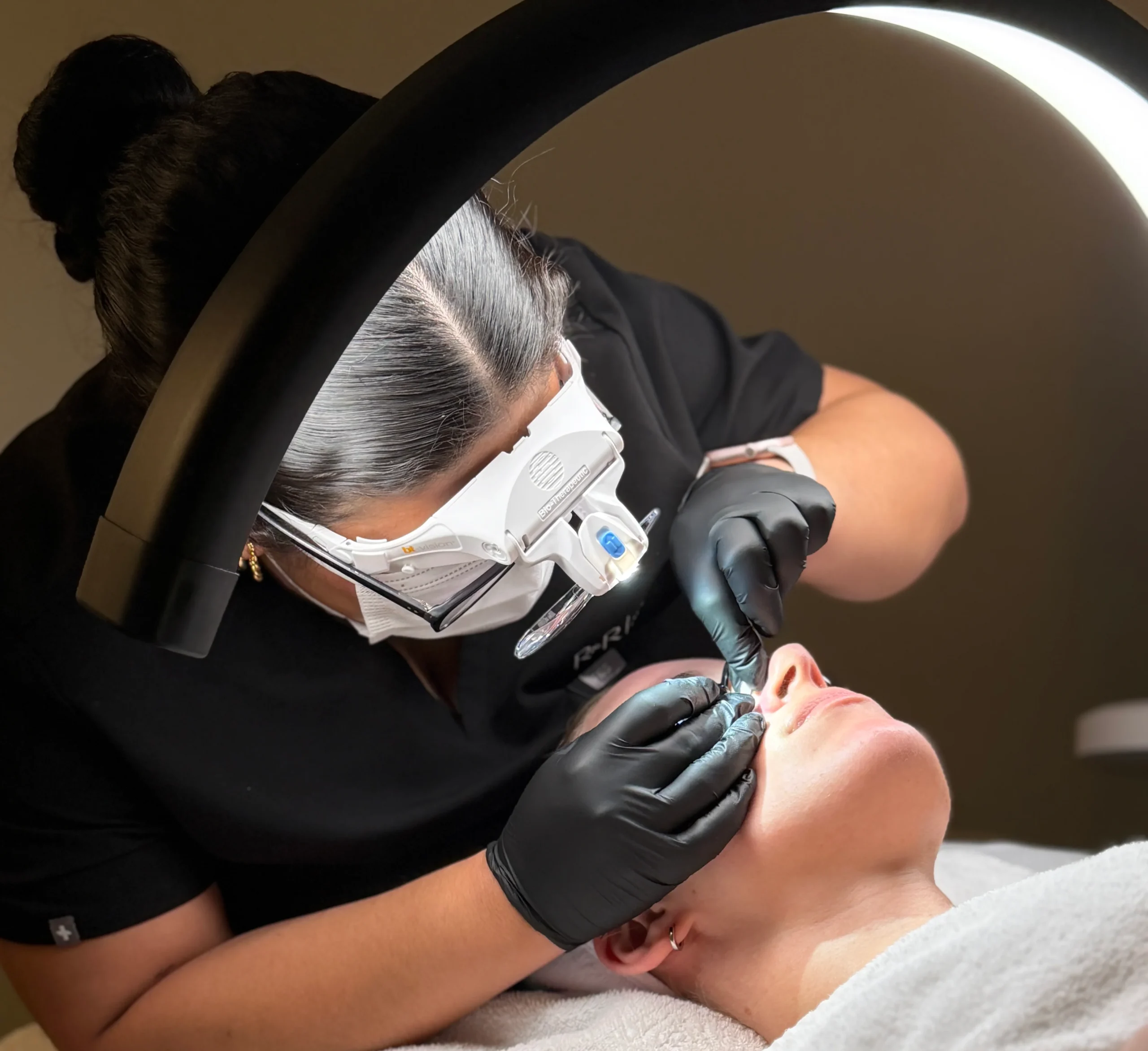
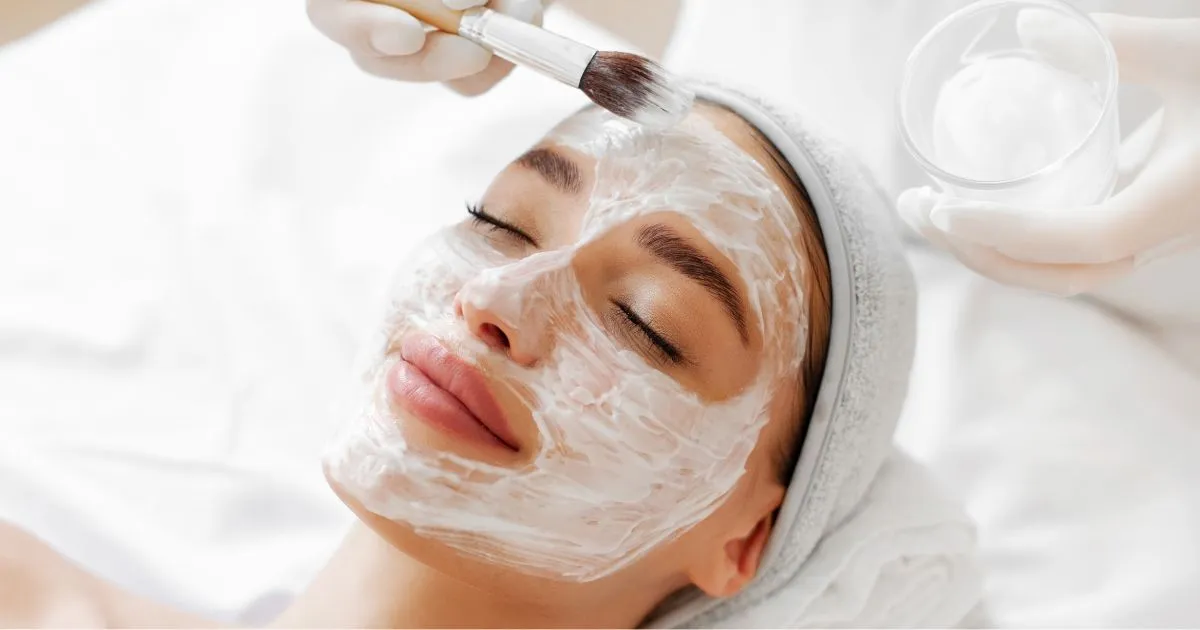
Professional facials are designed to support skin health through a combination of cleansing, exfoliation, hydration, and individualized care.
Rather than performing the same treatment on every patient, a facial should be tailored to your skin type, concerns, and goals.
Depending on your skin, your provider may recommend techniques such as:
Equally important is the skin assessment that takes place before treatment.
Your skin today may not have the same needs it had three months ago.
Changes in weather, stress, hormones, medications, travel, exercise, and daily sun exposure can all influence your skin.
That is why customization matters.
Many people expect one treatment to completely transform their skin.
The reality is that healthy looking skin is usually built through consistency.
Think about going to the gym.
One workout will not build muscle.
One healthy meal will not completely change your health.
Likewise, one facial is unlikely to produce long term changes by itself.
Instead, meaningful improvement often comes from combining healthy daily habits with periodic professional treatments.
For many patients, this includes:
Each piece supports the others.
Professional facials play an important role in maintaining healthy looking skin, but they are not intended to replace treatments that may be more appropriate for certain conditions.
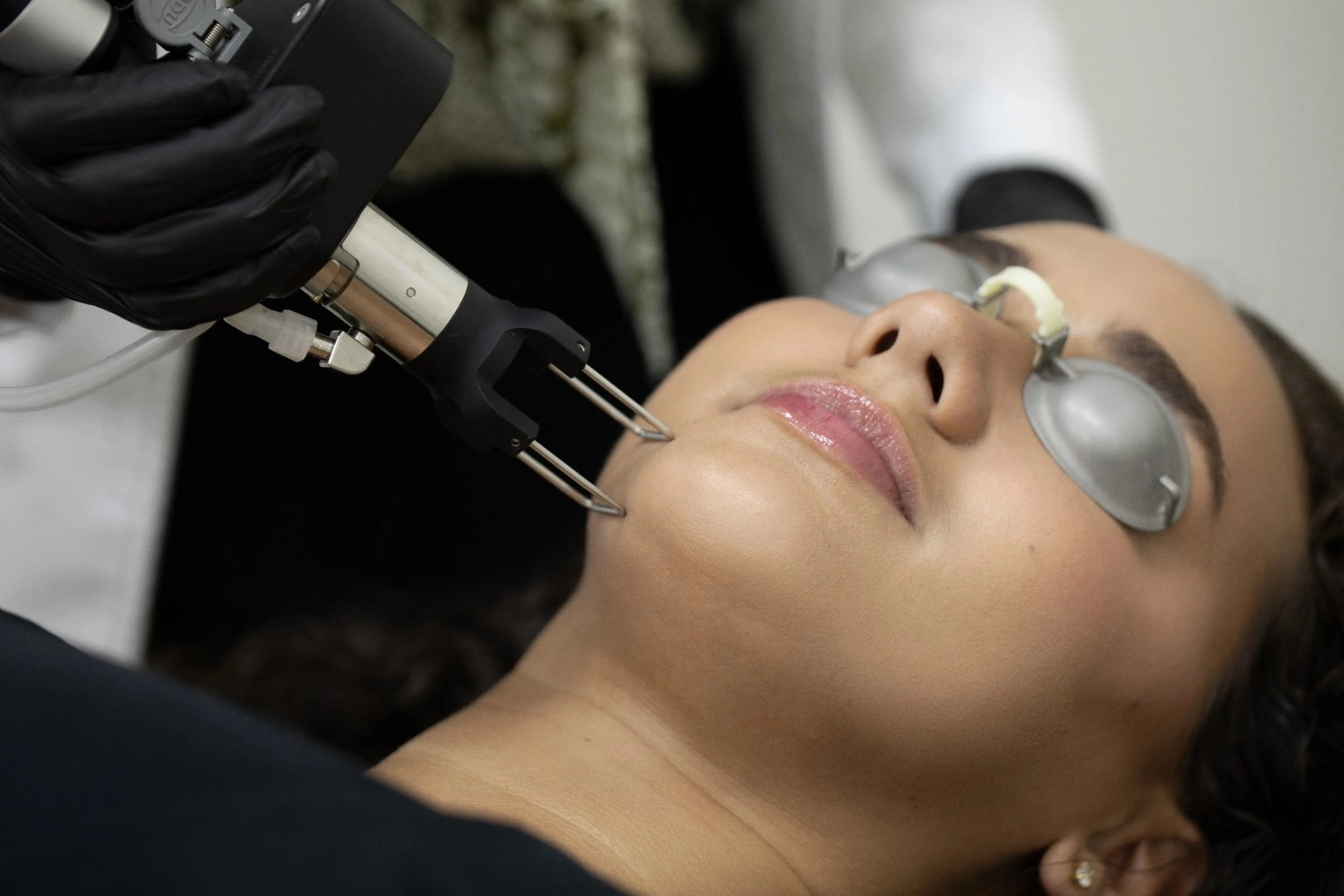
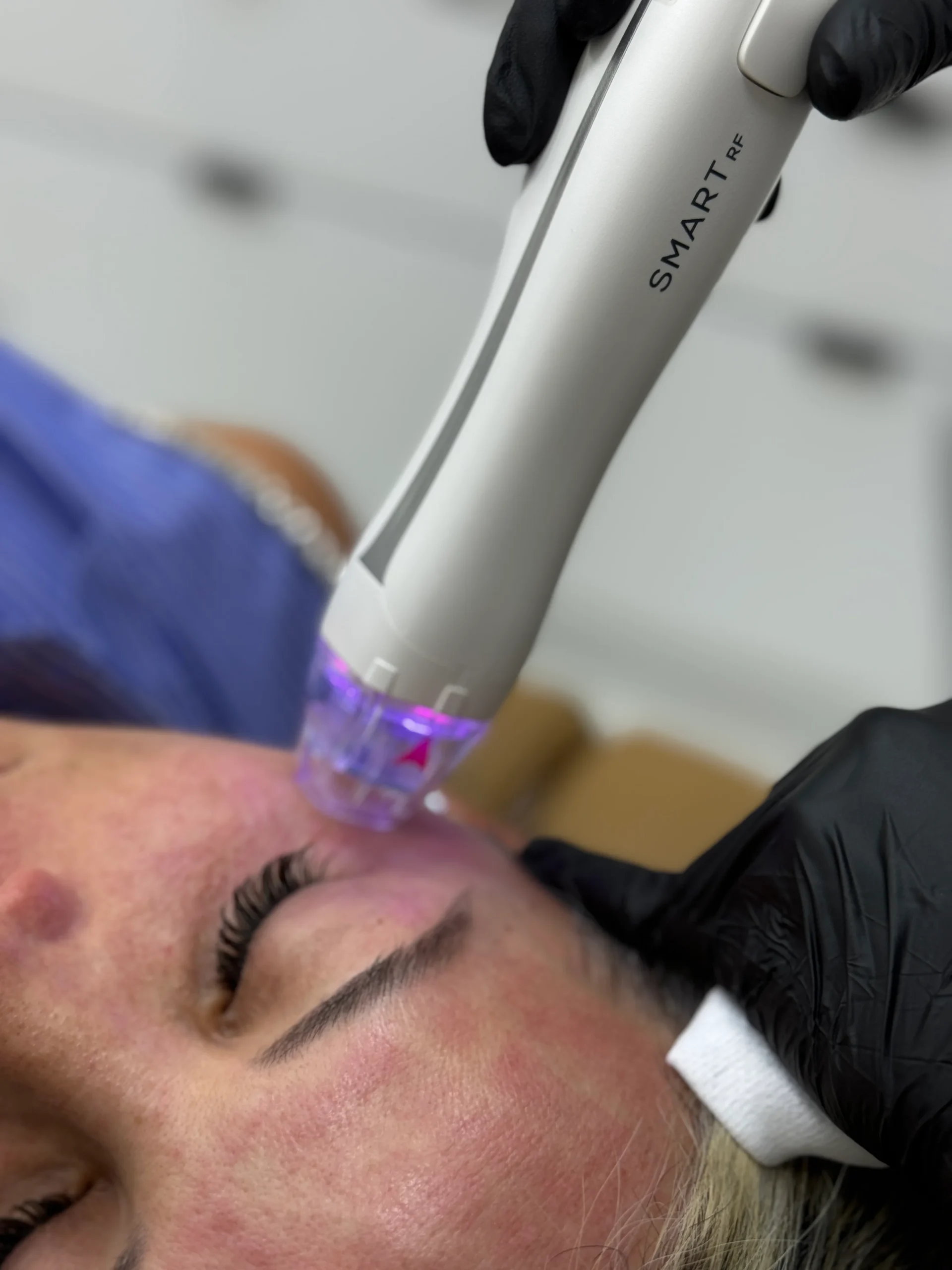
For example, some patients with acne may benefit from prescription medications alongside professional treatments. Others seeking improvement in acne scars, pigmentation, or significant signs of aging may be better candidates for procedures such as microneedling or laser resurfacing.
This is why an individualized consultation matters.
The goal should never be to recommend the same treatment for everyone.
It should be to recommend the treatment that makes the most sense for your skin.
There is no one size fits all answer.
Many skincare professionals recommend professional facials approximately every four to six weeks because this generally aligns with the skin’s natural renewal process.
However, the ideal schedule depends on several factors, including:
Some patients benefit from monthly maintenance, while others may only require seasonal treatments.
The best plan is one that is individualized rather than based on a calendar alone.
At R&R Skin and Aesthetics, we believe healthy looking skin is rarely the result of one treatment.
It is built through education, consistency, and individualized care.
Sometimes that means recommending a facial.
Sometimes it means adjusting your skincare routine.
Sometimes it means discussing treatments such as microneedling or laser resurfacing.
And sometimes it means telling a patient that they do not need another treatment at this time.
Our goal is to help you understand your options, make informed decisions, and create a plan that fits your goals and lifestyle.
Whether you’re looking to establish your first skincare routine, maintain healthy looking skin, or address concerns such as dryness, acne, uneven texture, or early signs of aging, our team is here to help.
Every consultation begins with understanding your skin, your concerns, and your goals. From there, we develop a personalized treatment plan that may include professional facials, skincare recommendations, or other treatments when appropriate.
Healthy looking skin starts with understanding your skin, and we’re here to help guide you every step of the way.
American Academy of Dermatology Association. Skin care basics and healthy skin recommendations. https://www.aad.org
Proksch E, Brandner JM, Jensen JM. The skin: An indispensable barrier. Experimental Dermatology. 2008;17(12):1063 to 1072.
Rawlings AV, Harding CR. Moisturization and skin barrier function. Dermatologic Therapy. 2004;17(Suppl 1):43 to 48.
Fluhr JW, Darlenski R, Surber C. Geriatric skin care and the skin barrier. Clinics in Dermatology. 2011;29(1):15 to 21.