

 Skip to content
Chemical peels can help improve the visible effects of summer sun exposure. Dark spots along the cheeks, a duller overall tone, and rough patches that were not there in May tend to appear once the brightest months have passed. Fall is when many patients at R&R Skin and Aesthetics decide to do something about it.
The timing is not a coincidence. Chemical Peels work best when skin can recover away from strong, direct sun, and the cooler stretch of the year gives that recovery room. Here is why fall is the best season to treat sun damage, and how to plan for it.
Fall brings lower UV levels and cooler weather, which gives freshly resurfaced skin a safer window to heal. That recovery period helps improve tone and texture before strong sun returns in spring and summer.
Fall gives sun-damaged skin the low-sun recovery window it needs. Months of UV exposure tend to surface as dark spots, uneven tone, and rough texture, and these concerns become easier to treat once peak sun season winds down.
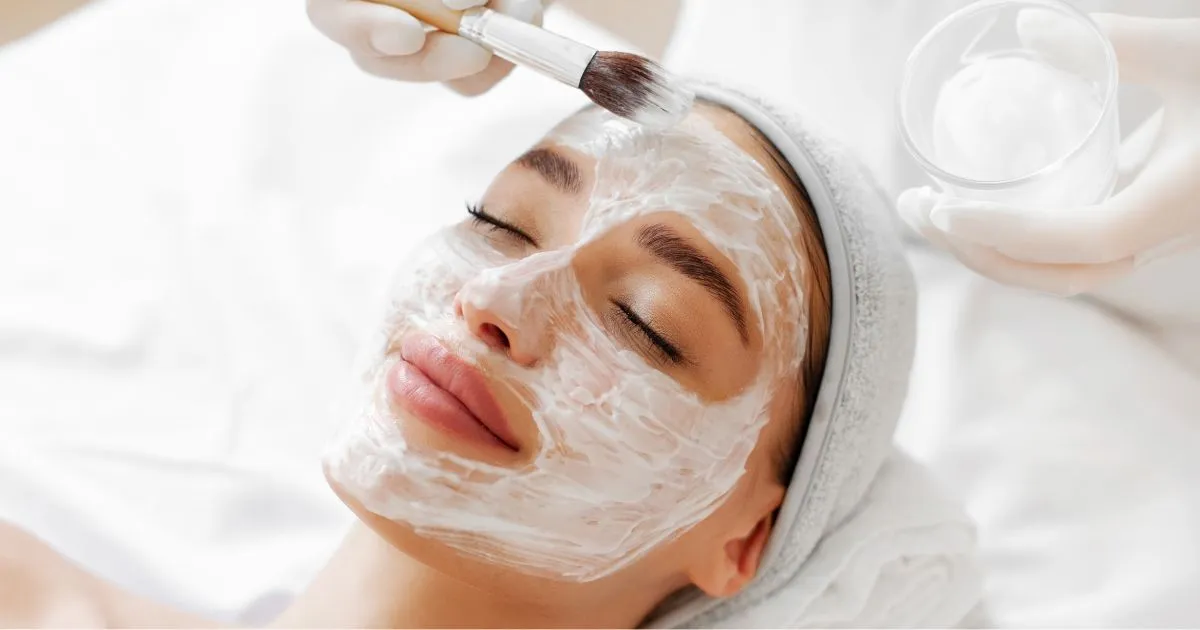
A chemical peel removes the outer layer of skin, which leaves the fresh surface underneath more sensitive to light for a short while. Treating during a low-UV stretch protects the new skin as it settles. Fall also lines up the calendar in your favor, since results have time to develop before the intense sun of spring and summer arrives again.
One honest note: results vary from person to person, and a peel is one part of a longer skin renewal plan rather than a single fix. Most patients achieve the best outcomes when a peel is paired with consistent daily care.
Sun exposure is the deciding factor in peel timing because freshly exfoliated skin is vulnerable to UV radiation. Skin resurfacing removes dead and damaged surface cells, and that new layer can react to sun with irritation or, in some cases, new pigmentation. Treating during high-sun months works against the very tone you are trying to even out.
Cooler months make protection easier in practical ways:
Skin type also shapes what is safe. Providers use the Fitzpatrick scale, a way of classifying how skin responds to UV, to match the right peel to each patient. Deeper skin tones call for careful peel selection to lower the risk of pigment changes, which is one reason a consultation comes first.
Sun damage shows up in a few recognizable ways, and knowing which concern you are dealing with helps a provider choose the right approach.
Melasma deserves its own mention. It can look similar to ordinary dark spots, but it behaves differently and often responds to hormones and heat, so it needs a specific plan rather than a standard peel. A provider will assess it directly before recommending treatment.
The right peel depends on your skin and your goals, and R&R Skin and Aesthetics offers a couple of options for sun damage and tone.
VI Peel: suited to hyperpigmentation treatment, melasma, and acne scars, and it can treat the face, chest, back, and hands. Those are all areas that tend to catch plenty of summer sun.
BioRePeel: a gentler choice that combines TCA with amino acids to support tone, texture, and radiance with little visible peeling. It works well on sensitive areas like the face and neck.
Which one fits depends on skin type and what you want to improve, as confirmed during a consultation. Fall also leaves room for either a single peel or a planned series with recovery time built in between sessions.
Starting early in the season gives skin time to settle before holiday events or bright winter travel. A few planning points help:
A consultation is the practical first step, since it lets your provider map sessions to both your skin and your calendar.
Daily sunscreen carries your results forward, even in Pinecrest’s mild fall. Freshly treated skin is more sensitive to light for a stretch after a peel, so protection is not optional during recovery. A broad-spectrum SPF 30 or higher, reapplied through the day when you are outdoors, gives that new surface the shield it needs while it settles.
South Florida makes this point plainly. UV levels here stay meaningfully high year-round, and a cooler, cloudier fall day can still carry enough sun to undo careful work. Consistent protection prevents new dark spots from forming on skin that has just been resurfaced, helping maintain the tone you came in to improve.
The rest of your routine works best kept simple in the days right after a peel:
Your provider will give aftercare guidance matched to your peel and skin type, so you are not left guessing about products or timing. That individualized plan accounts for how your skin responds and which peel you had, which is where a consultation earns its place.
Fall gives your skin the calm, lower-sun window that Chemical Peels in Pinecrest, FL need to do their best work. At R&R Skin and Aesthetics, our team will assess your skin, talk through your goals, and recommend the peel that best fits. Restore a brighter complexion with a customized chemical peel. Schedule your consultation today.